
Pneumatic vs. Manual Roll Laminators and Chinese vs. International Suppliers: A 2026 Procurement Decision Framework for Industrial Buyers
Date: 2026-05-29 Categories: Industry News Hits: 170
1. Product Comparison: Pneumatic Roll Laminator vs. Manual Cold/Heat Laminator
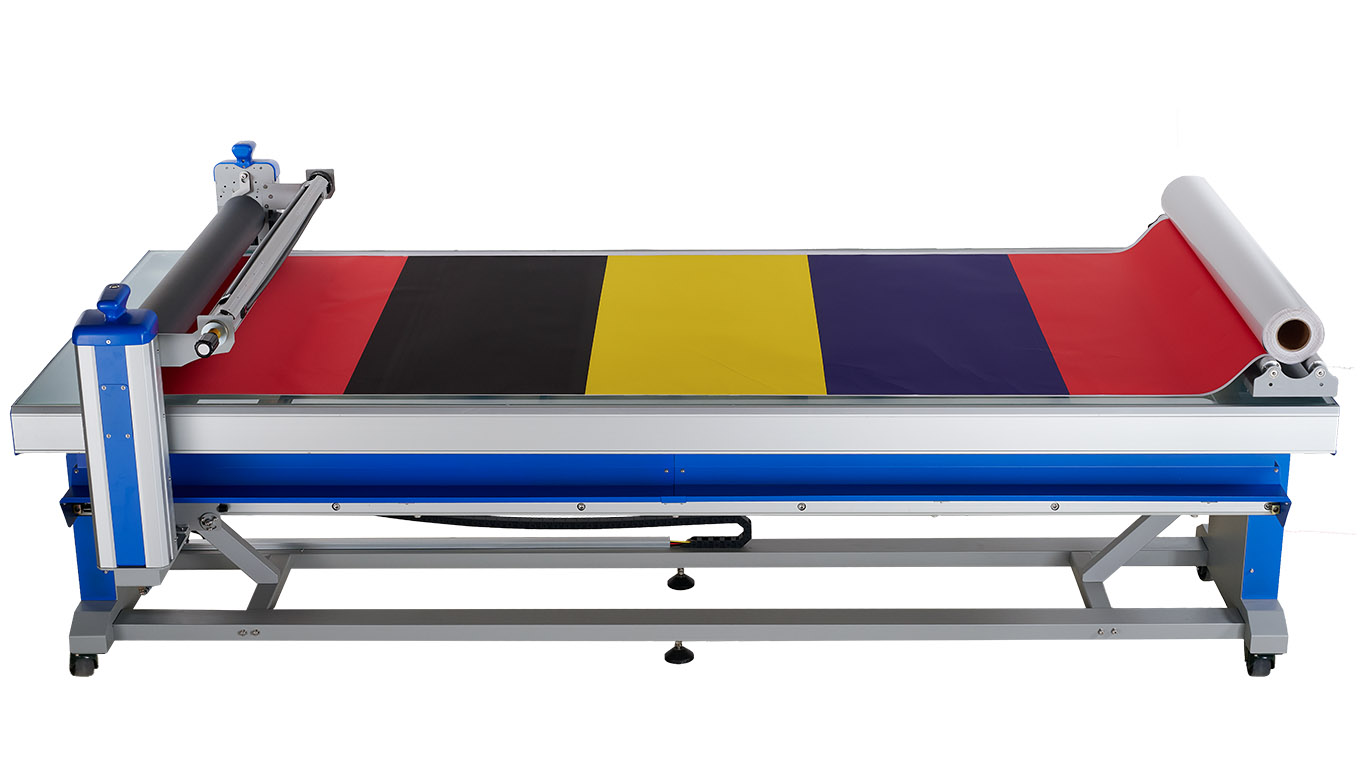
For industrial buyers evaluating finishing equipment, a detailed comparison between a pneumatic roll laminator and a manual cold/heat laminator is essential. Using the MF1700-M1 PRO (pneumatic) and the MF1700-B5 (manual) as representative models, the following table outlines key differences across four dimensions.
| Dimension | Pneumatic (MF1700-M1 PRO) | Manual (MF1700-B5) |
|---|---|---|
| Max Lamination Width | 1630mm (64") | 1630mm (64") |
| Max Lamination Thickness | 28mm (1.1") | 28mm (1.1") |
| Max Speed | 12 m/min | 6 m/min (MF1700-B5 PRO) / manual |
| Heating System | Top heated, infrared quartz, max 60°C | None |
| Up/Down Mechanism | Pneumatic | Pneumatic (MF1700-B5) / Hand crank (other manuals) |
| Trimmer Holder | 2 single + 1 double central blades | None |
Applicable Scenarios
The pneumatic model is more suitable for standardized digital workflows and 24/7 industrial production, while the manual model is better suited for low-volume, occasional use where cost is the primary concern.
Cost & Maintenance
Compared to traditional manual or electric laminators, the pneumatic model provides 50% higher efficiency, attributed to its precise pneumatic pressure system. Maintenance is simplified with digital self-diagnostics, whereas manual systems require more frequent mechanical adjustments. The total cost of ownership for the pneumatic model is lower over a multi-year period due to reduced labor and downtime, despite a higher initial investment.
2. Supplier Comparison: Chinese Manufacturer vs. International Brands
When sourcing industrial roll laminators, buyers often face a choice between Chinese manufacturers and established international brands. Below is a comparison based on four key factors.
| Factor | Chinese Manufacturer (e.g., MEFU) | International Brands (e.g., GBC, Seal) |
|---|---|---|
| Price | Competitive, typically 30-50% lower than international counterparts | Premium pricing |
| Customization | High flexibility: size, color, voltage, marking (OEM available) | Limited customization, mostly standard configurations |
| Lead Time | Typically 14 days for standard orders | Often 4-8 weeks |
| After-Sales Support | Remote support, online platforms, authorized dealers in 110+ countries | Extensive global service networks, but slower response for remote areas |
MEFU, established in 2008 with a 10,000㎡ factory and 100 employees, offers annual output of 6,000 units and exports to over 110 countries. Its monthly capacity is 500 units with an MOQ of 1 unit, enabling rapid delivery and flexible customization. International brands like GBC and Seal provide established reliability but at a higher cost and longer wait times.
3. Decision Model: 3-Step Method for Selecting a Roll Laminator
Industrial buyers can follow this structured approach:
- Define the Usage Scenario – Determine if the operation is high-volume (24/7), short-run, or custom. For continuous industrial production, pneumatic models with higher efficiency are recommended. For occasional use, manual models may suffice.
- Match Technical Parameters – Evaluate lamination width (e.g., 1630mm), material thickness (up to 28mm), speed (up to 12 m/min), and heating requirements. Pneumatic systems with digital controls are preferable for consistent quality.
- Calculate Total Cost of Ownership – Consider initial purchase price, labor cost savings (e.g., 50% efficiency gain), maintenance expenses (digital self-diagnostics reduce upkeep), and downtime. Chinese suppliers often offer 30% lower TCO over a 5-year horizon.
4. Case Study: U.S. Buyer Chooses Chinese Flatbed Applicator
A digital media expert in the United States required a heavy-duty board mounting solution for high-volume production. After comparing multiple suppliers, they selected MEFU's flatbed applicator table (model Standard MF-B4). The installation featured a tilted table design, LED-illuminated bed, and pneumatic constant pressure. This setup reduced material waste by 7% and enabled consistent, bubble-free lamination on rigid substrates up to 50mm thick. The buyer reported a 10-month return on investment and has since deployed 10 units across their facilities. This case highlights the advantages of choosing a Chinese supplier that offers tailored design and rapid delivery.